

In my developer toolbox post, I’ve covered that I prefer to use to MAMP for local development. For the most part, the default settings (or some variation thereof) work just fine; however, if you end up needing to do some work on a secure site, then you’ll need enable SSL in MAMP.
On production-level servers, you’ll need to have purchased an SSL certificate; however, MAMP makes it trivially easy to setup a certificate in your development environment.
Bitnami MAMP Stack Installers Bitnami native installers automate the setup of a Bitnami application stack on Windows, Mac OS and Linux. Each installer includes all of the software necessary to run out of the box (the stack). The process is simple; just download, click next-next-next and you are done! MAMP is an affiliate member of the American Association of Meat Processors. BECOME A MAMP MEMBER Board of Directors Contact Information Location. Phone: 11373 Neal Ave S Hastings, MN 55033. MN Association of Meat Processors. Download the class files. After downloading the class files, create a folder in. MAMP vs XAMPP: What are the differences? MAMP: A free, local server environment. It can be installed under macOS and Windows with just a few clicks. It provides them with all the tools they need to run WordPress on their desktop PC for testing or development purposes, for example.
Enable SSL in MAMP
The only caveat to setting up SSL on your development machine is that you have to define a local server other than localhost (but this is easy to do).
Other than that, it’s just a few simple steps.
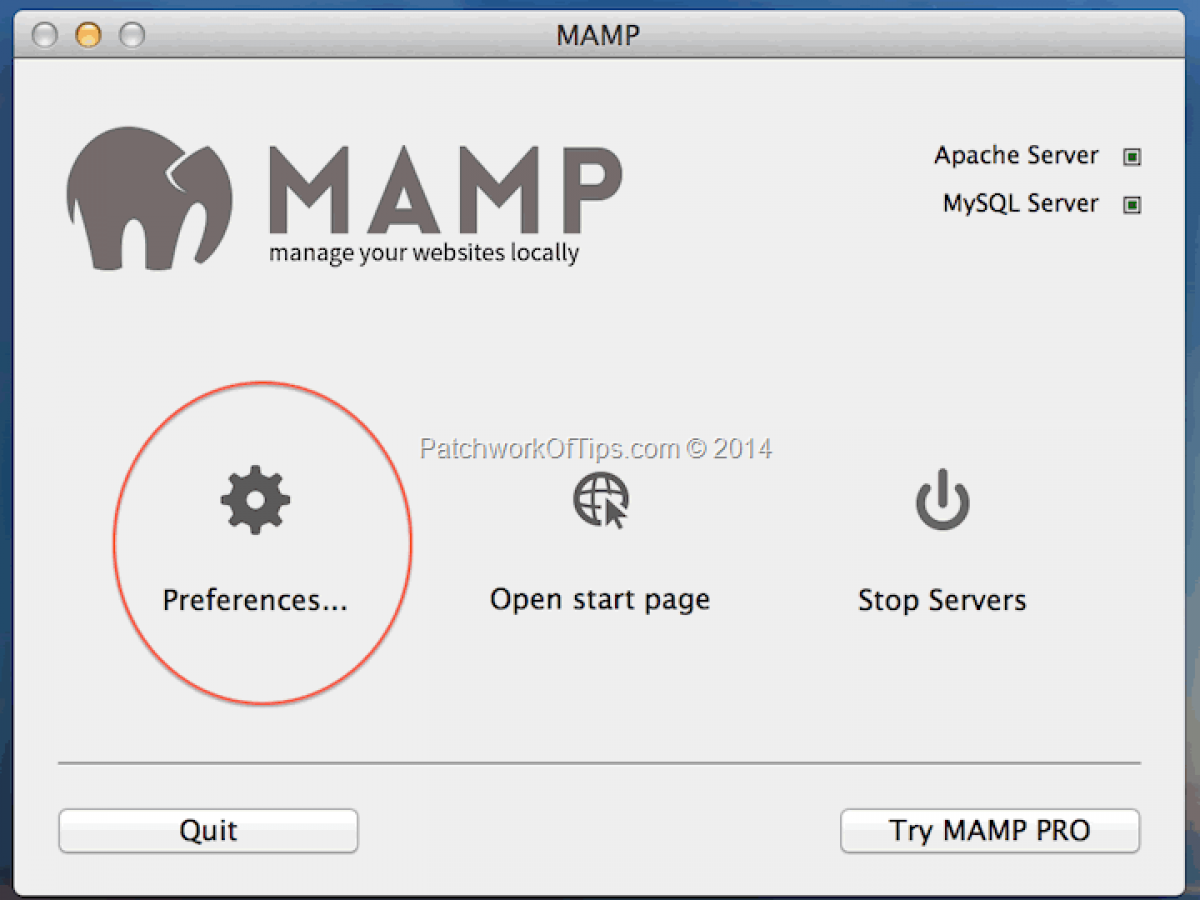
1. Load MAMP
First, load MAMP and make sure that you’re on the homescreen. If you’re more comfortable with MAMP, then it doesn’t really matter which screen you start on – this step ensures that we’re all on the same page.
2. Define a New Host
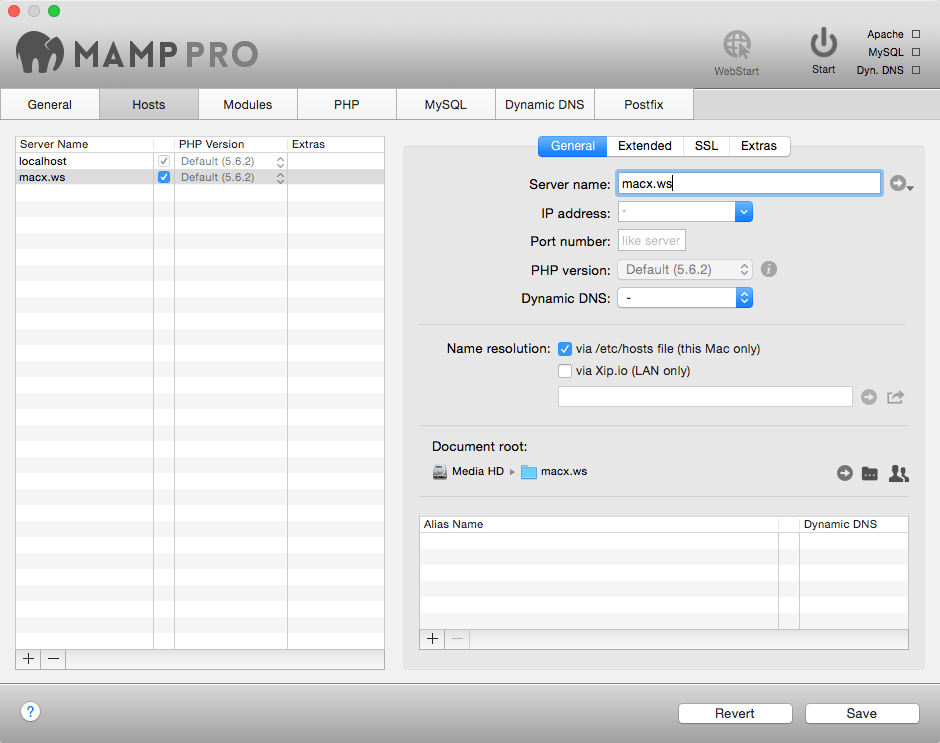
Click on the “Hosts” tab to view the list of the hosts you’ve configured. Some of you will only have ‘localhost’, others of you will have more.
Regardless, click on the ‘+’ button right below the list of hosts to add a new host. This will automatically insert a new line item into the list of hosts and will display a set of fields for you to populate:
Make sure that you click on the ‘SSL’ check box:
Then select the directory out of which your site, application, or files will be served:
3. Generate an SSL Certificate
After that, click on the ‘SSL’ tab. Initially, you should see two fields each of which have an exclamation point beside them:
Next, click on the ‘Create Self-Signed Certificate’ button and a new dialog will appear prompting you to populate it with certain information:
Fill out this information. Feel free to be as accurate – or inaccurate) – as you want as this information is kept on your local machine:
Finally, click on ‘Generate’ and you’ll be asked where to save the certificate file. Feel free to choose any location. I’m a fan of keeping the certificate file in the same location of the project just to keep things organized.
4. Done!
Once you’ve generated the certificate, MAMP will automatically populate the fields with the locations of both the certificate file and the key file.
Finally, restart your server.
Once the server has restarted, you can navigate to your secure site using the host you defined earlier in this process. In my case, it would be https://examplehost.net. Remember to prefix the location with https; otherwise, it won’t load.
And that’s how you enable SSL in MAMP. Easy enough, right?
Documentation
- Getting Started
- Reference
- Bundles
- Contribute
This page describes how to connect to the MySQL Server of MAMP or XAMPP running on the same computer as Sequel Pro. If you want to connect to MAMP/XAMPP running on a different computer, please see Connecting to a MySQL Server on a Remote Host.
MAMP
Connect to MAMP via a unix socket
This is the recommended way of connecting to MAMP.
In the Sequel Pro connection dialog, choose a socket connection.
Mamp
(0.9.7 and earlier versions: Enter /Applications/MAMP/tmp/mysql/mysql.sock in the socket field. In 0.9.8 and later versions, this socket path will be checked automatically if the field is left empty.)
Type root into the username field. The default password is also root. Optionally enter a name for the connection.
Make sure that MAMP is running and click connect.
Connect to MAMP via a standard TCP/IP connection
You can also connect via a TCP/IP connection.
Enter 127.0.0.1 for the Host. Enter root for the username and for the password. The default MySQL port used by MAMP is 8889.
Mampara
Just like with MAMP, you can also connect to XAMPP via a socket connection or a standard connection. Only the default settings are a little bit different:
Connect to XAMPP via a unix socket
(0.9.7 and earlier versions: The unix socket for XAMPP is /Applications/XAMPP/xamppfiles/var/mysql/mysql.sock. In 0.9.8 and later versions, this socket path will be checked automatically if the field is left empty.)
Use root as username, and leave the password field blank.
Connect to XAMPP via a standard TCP/IP connection
Mampoer
Type 127.0.0.1 into the host field. Since XAMPP uses the standard MySQL port 3306, you can leave the port field blank. The user name is root, the default password is blank.